
September 21, 2026
The first thing that breaks on a long motorcycle trip is rarely the part you spent money on. It is a chain you glanced at and called “fine,” a tire pumped up for an empty bike that is now carrying forty pounds of luggage, or a neck that quietly gives out on day three because you spent two days wrestling the wind. Most pre-trip guides bury that reality under a hundred-item checklist with no ranking, which is why riders who tick every box still get stranded. So here is the ranked version – what to do, when to do it, and what to leave at home.
Do the work two weeks out, not the night before
The single most useful rule I know is about timing, not parts: finish your major maintenance at least two weeks before departure. The long-distance touring blog Bikes & Bays claims its bike-prep checklist catches roughly 80% of the mechanical problems that would otherwise end a trip on day five – and the qualifier matters, because it only works if you leave yourself time to react. That buffer, not the checklist itself, is the point. Two weeks out, a stripped fastener or a back-ordered part is an annoyance. The night before, it cancels the ride. If you are travelling with others, agree on who owns which checks; group trips fail when every rider assumes someone else packed the compressor.
| When | What to do | Why it matters |
|---|---|---|
| 3–4 weeks out | Book a shop slot; order tires, parts, or a screen | Appointment calendars and parts stock fill faster than riders expect |
| 2 weeks out | Oil, filter, coolant, brake fluid, chain and sprockets, pads, battery | Leaves time to fix whatever the inspection turns up |
| 1 week out | Fully load the bike and test-ride it; set suspension and pressures | Catches handling problems while you are still near home |
| Night before | Fuel, loaded pressures, chain lube, tug-test luggage, offline maps | Covers the last five percent the big jobs miss |
A clean bike is not a prepared bike
The Motorcycle Safety Foundation’s T-CLOCS inspection – Tires, Controls, Lights, Oil, Chassis, Stands – is the standard starting point, and the full pre-ride checklist is worth reading in the original rather than in a summary. For a long trip, a few items deserve more attention than a ten-minute pre-ride would give them: check tire pressure cold and reset it for the weight you will actually carry, look over the tread and sidewalls for bulges or embedded debris, and confirm the brake pads still have real material on them. Inspect chain slack at its tightest point – commonly around 25–35 mm on many bikes, though you should read your own manual – and make sure the throttle snaps shut the moment you release it.
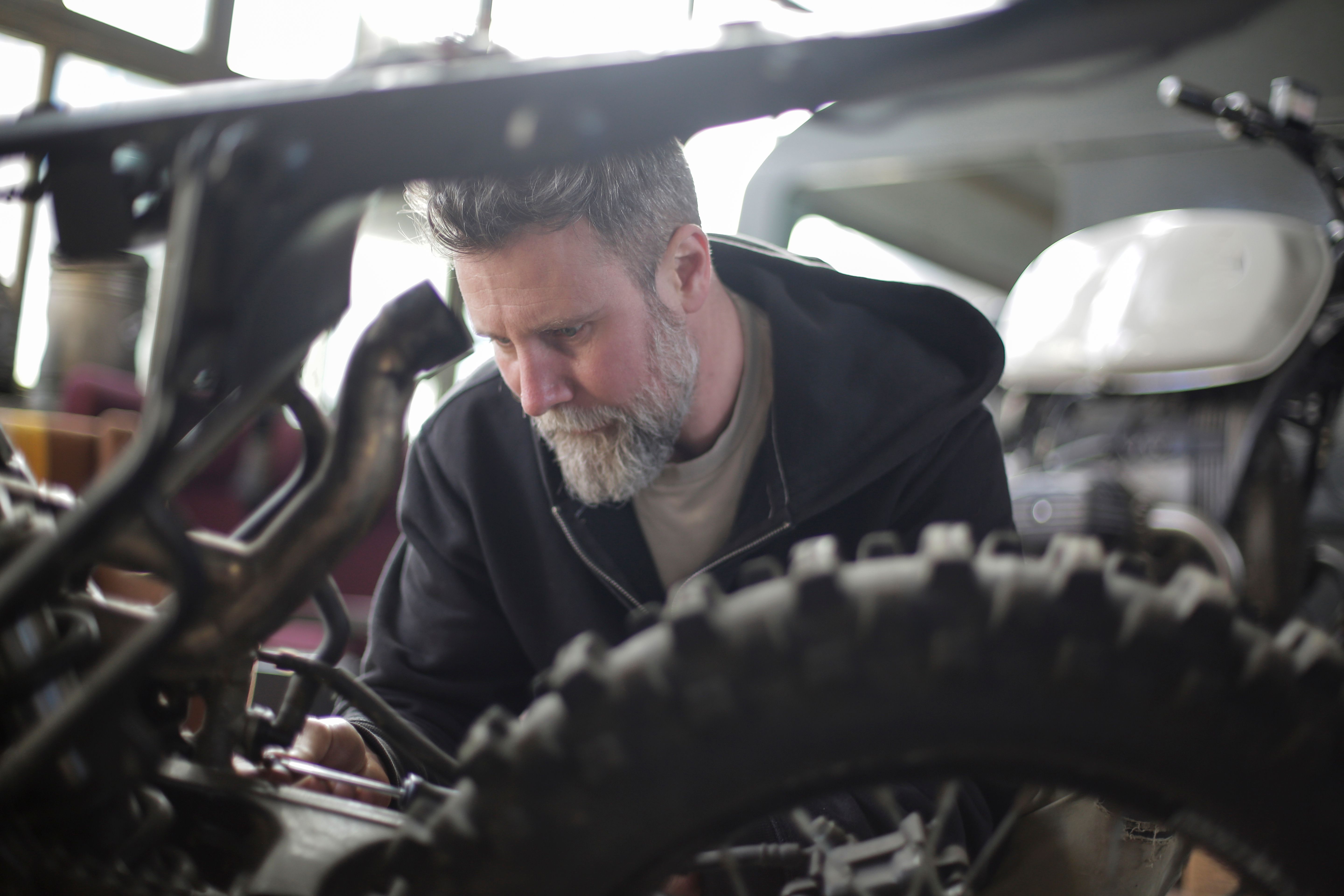
If a scheduled oil change or valve service falls during your trip, do it now instead. And if you are not confident doing any of this yourself, pay a shop for a pre-trip inspection. I would choose that over a new exhaust every single time, because a mechanic on a lift will find the worn bearing or weeping fork seal that you talked yourself out of worrying about.
The part most checklists leave off: you
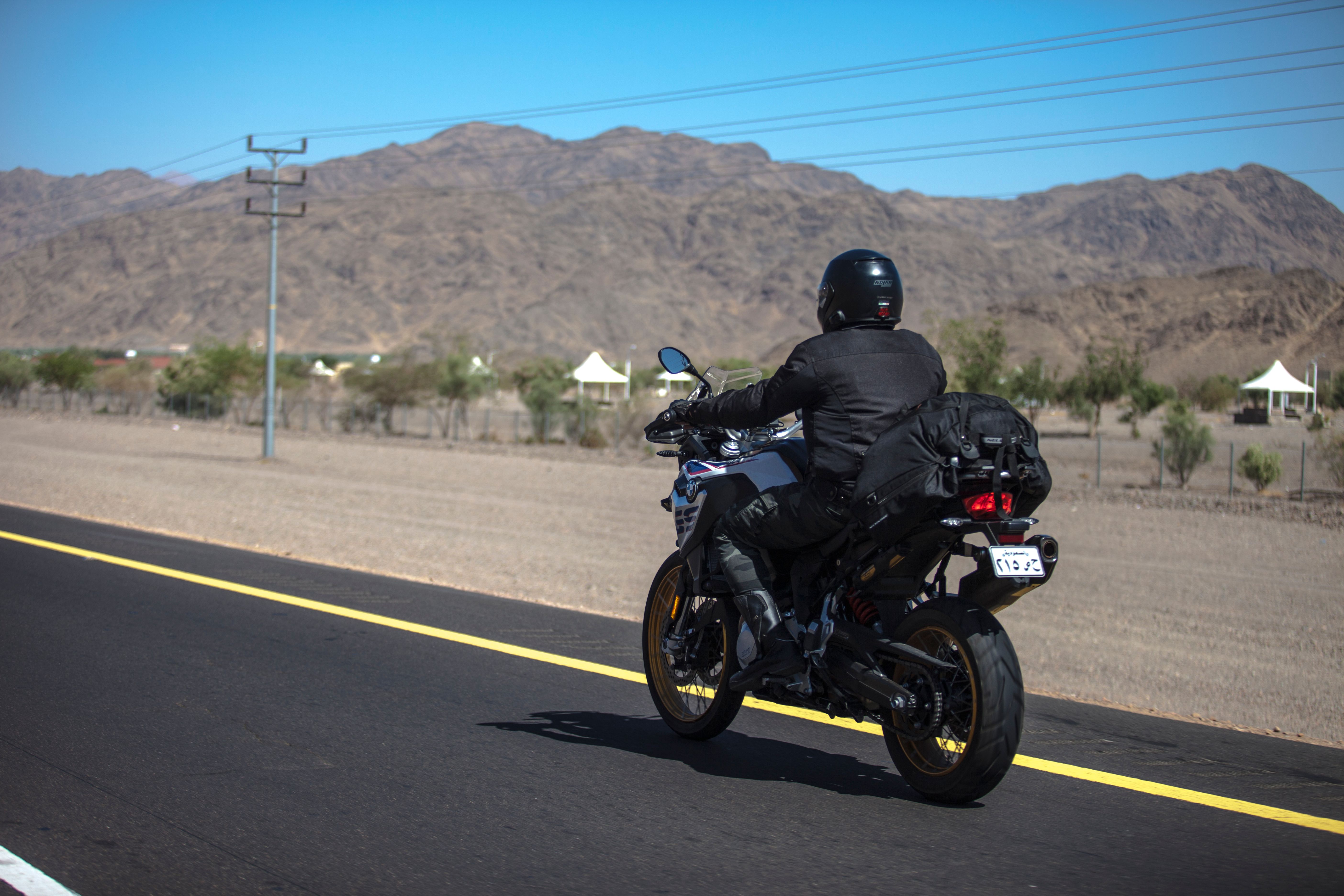
Fatigue is the failure mode no torque wrench catches. At highway speed you brace against the wind, grip tighter, and hold your head steady for hours at a stretch. A motorcycle windshield that moves airflow over your head and shoulders lets your arms and neck relax, and that changes how many miles you can safely put behind you in a day. It is no accident that touring and adventure bikes ship with screens as standard equipment.

One caution about wind-protection claims: search and you will find confident figures – “30% less drag,” “42% less neck fatigue” – that trace back to marketing pages citing each other rather than to any study I could locate. What is not in doubt is the underlying point. Both NHTSA’s rider guidance and the MSF stress that tired riders make slower, worse decisions, so anything that genuinely reduces fatigue is safety equipment, not a luxury.
Load it the way you will ride it
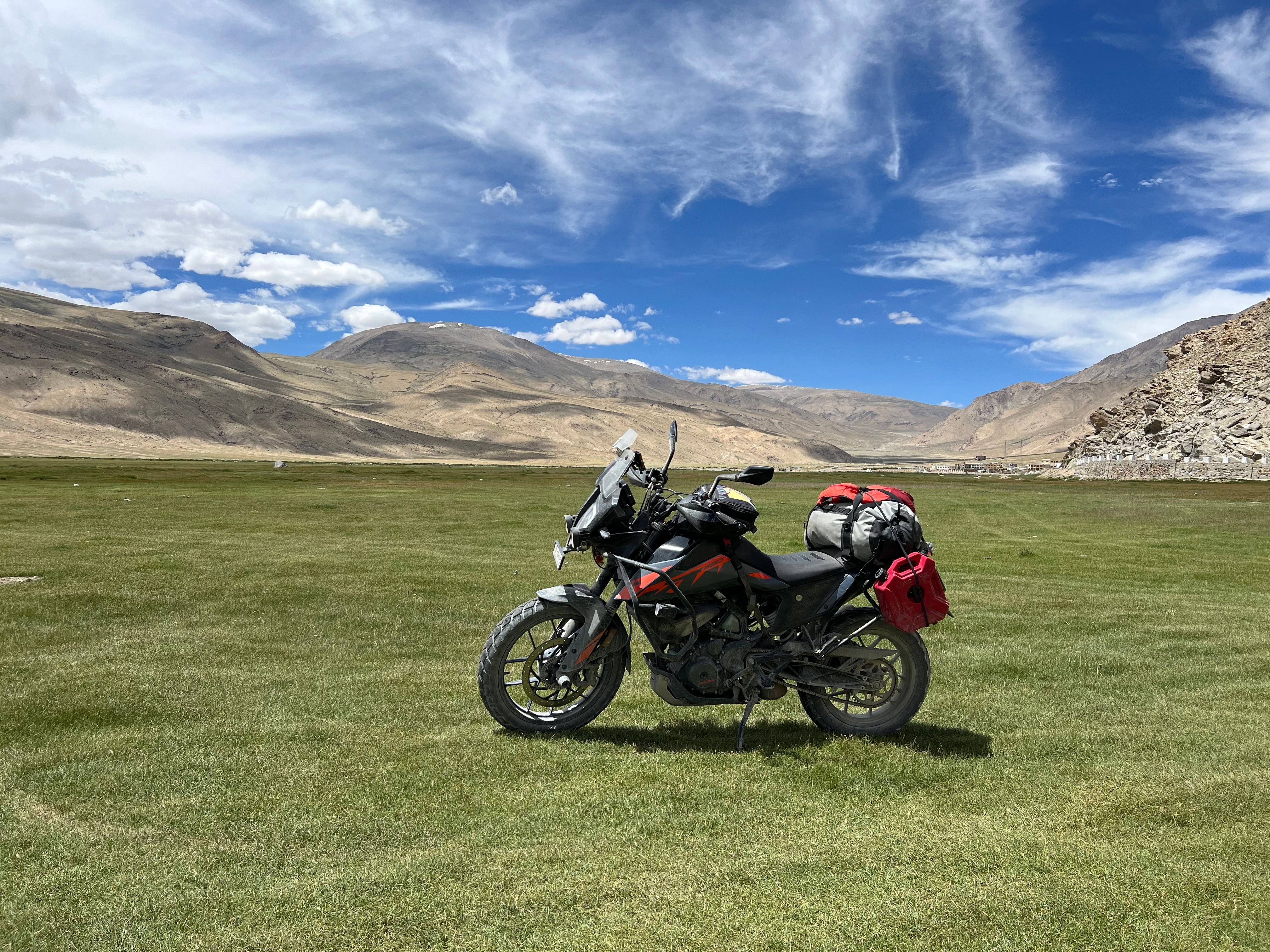
Packing changes the motorcycle, so test the motorcycle as packed. Keep heavy items low and close to the centre, resist hanging weight off the tail, and expect braking distances to grow. Then ride it loaded – twenty minutes of local roads tells you more than any list ever will. Add preload for the extra weight and set tire pressures for the load rather than the empty bike; tire-pressure references note that pressure drifts roughly 2% for every 10°F (about 5.6°C) of temperature change, which a cold morning will happily demonstrate.
The spares argument
This is where sensible riders genuinely disagree. Overland travelers preparing round-the-world bikes, like the team behind the FarWayOut preparation guide, carry wheel bearings, spare cables, gaskets, and a full toolkit – and they are right to, because on a model that was never sold in the region you are crossing, a failed part can mean waiting weeks. For a cross-country trip on paved roads, that inventory is mostly weight you will feel in every corner. My read: carry tire repair, a plug kit and small compressor, spare levers, fuses, and a bike-specific tool roll – then skip the parts warehouse.
Before you turn the key
Final pass: tank full, tires at loaded pressure, chain lubricated, luggage strapped and tugged, every light working. Put your documents in the tank bag rather than the panniers, confirm your offline maps have downloaded, and give someone your route. Then sleep, because a cross-country trip almost always opens with a long first day, and fresh beats fast.
How this piece was put together: the inspection items come from the Motorcycle Safety Foundation’s T-CLOCS checklist and NHTSA’s rider guidance, the timing and fatigue points from touring sources checked in September 2026, and I treated percentage claims about wind protection skeptically because none I found cited primary data. Torque specs, service intervals, and legal tread minimums vary by bike and by region – confirm them against your owner’s manual.